
Magnetron Sputtering Coating Equipment
Classification:
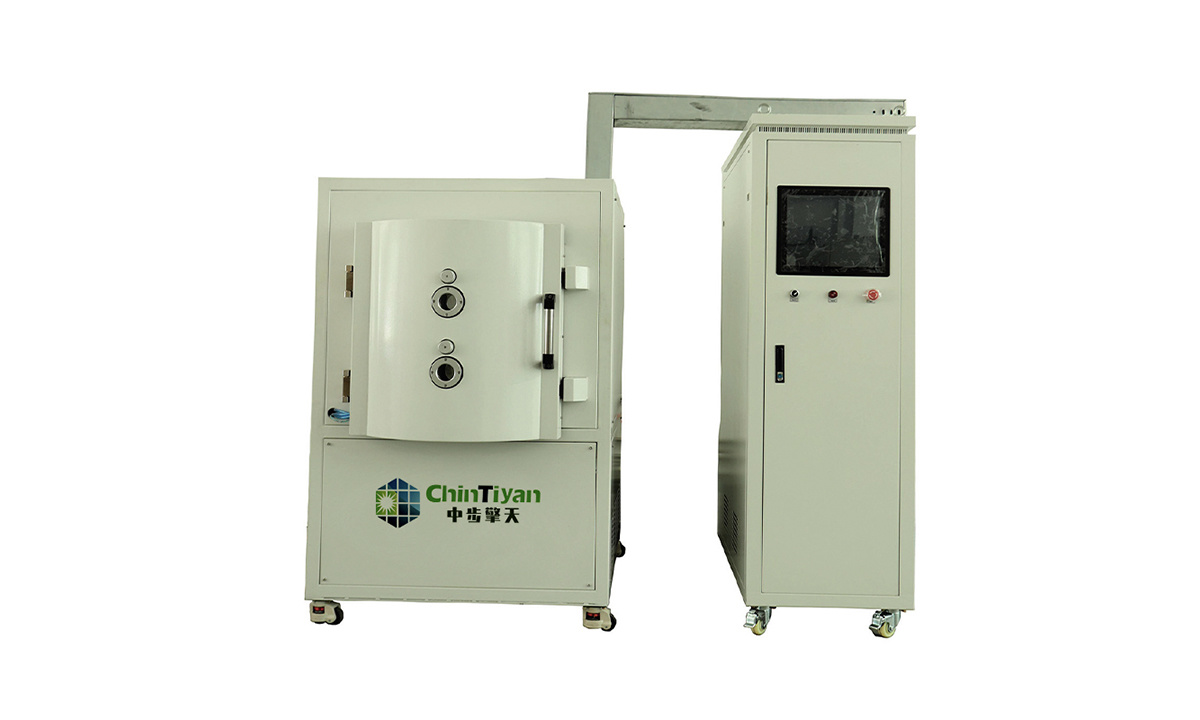
This is a continuous multi-chamber magnetron sputtering system for depositing metal, dielectric, and oxide films such as Ti, Cu, Ni, ITO, and NiO. It supports single- or double-sided multilayer coatings on substrates up to 600 × 600 mm.
Contact:
Details Introduction
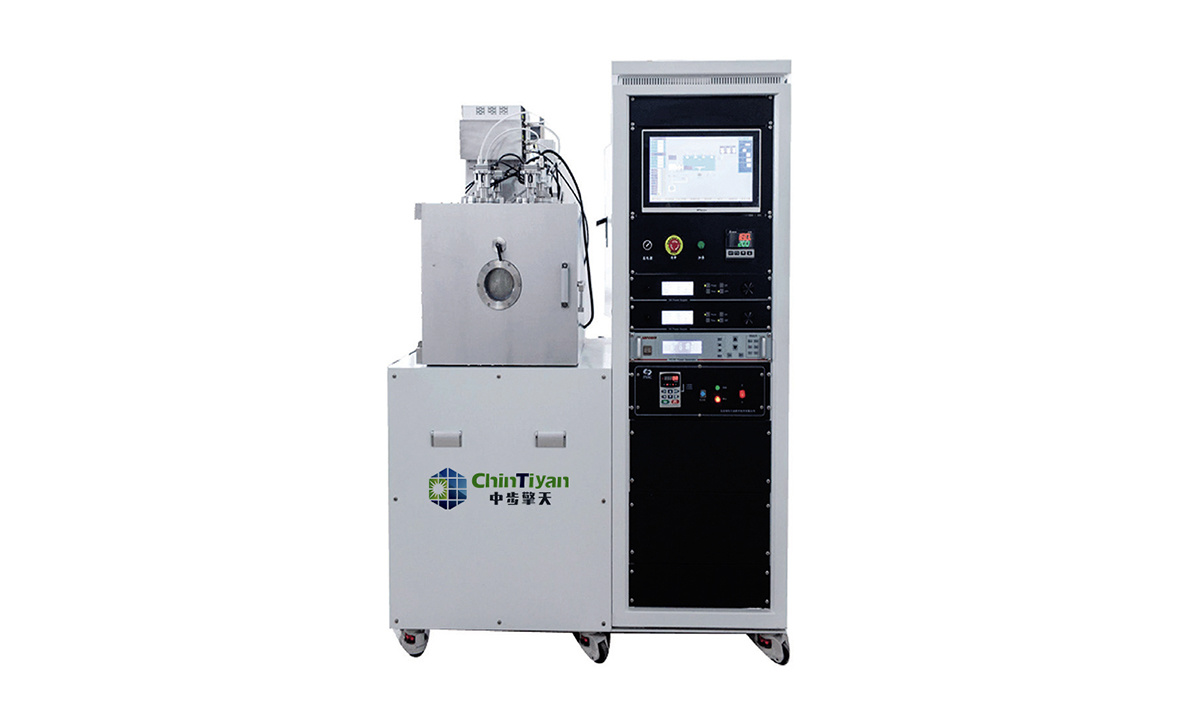
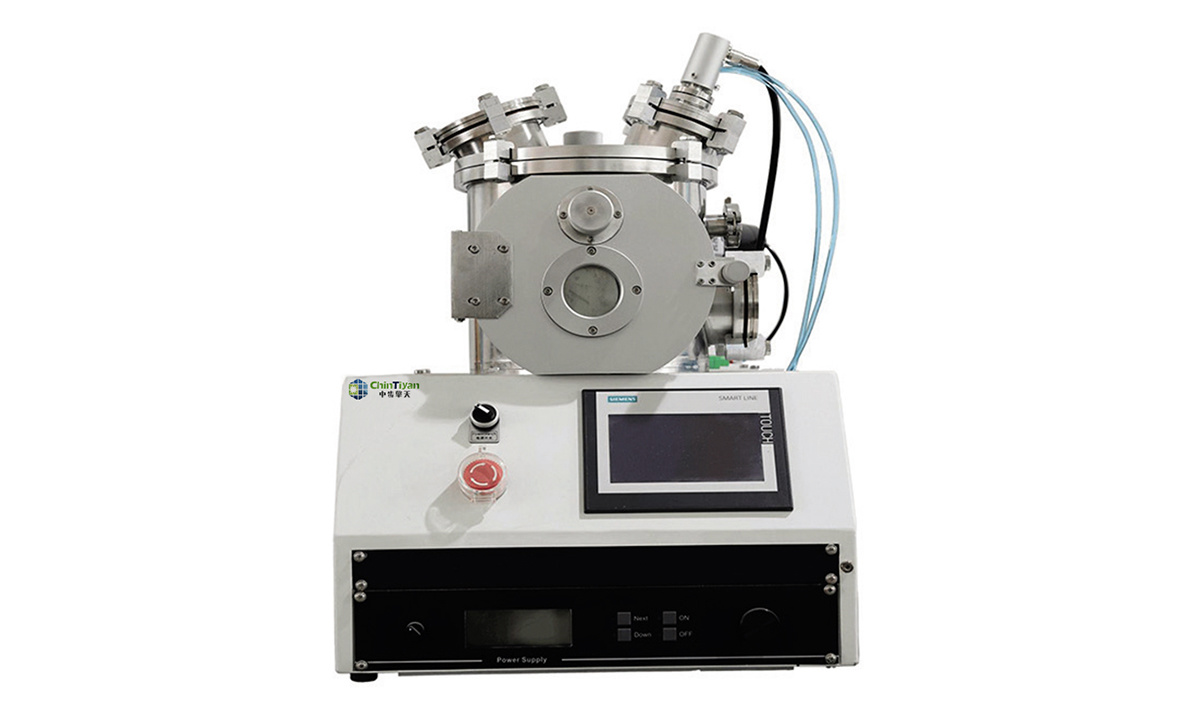
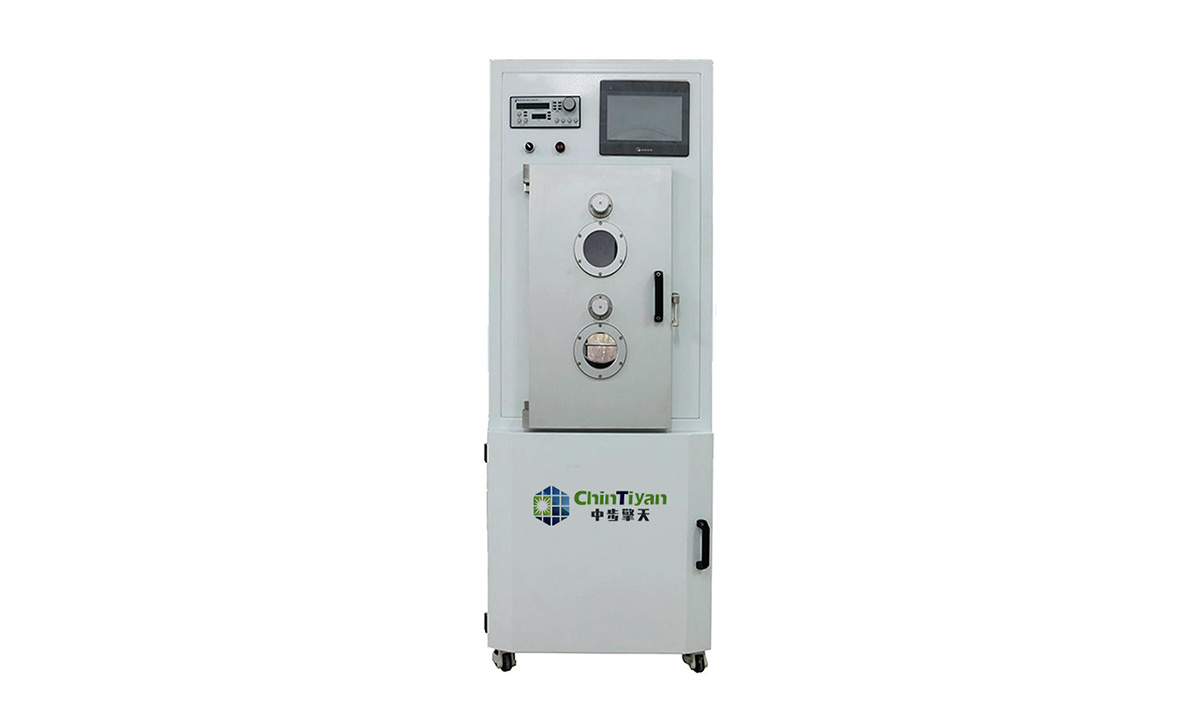
This PD-5000c equipment is a continuous multi-chamber magnetron sputtering coating system, suitable for depositing various metal films (such as Ti, Cu, Ni), dielectric films, and oxide films (including ITO and NiO). It can produce single-sided or double-sided single-layer and multilayer coatings on samples or workpieces up to 600mm × 600mm in size.
1.Equipped with loading and unloading carts for fast and convenient operation, saving coating production time.
2.Sample holder with mobility and bias voltage design enhances film adhesion strength.
3.Dual-track system ensures stability and reliability; smooth and consistent cart transfer and movement between chambers even under high-temperature conditions, guaranteeing high-quality film deposition.
Parameter
|
Vacuum Chamber (3/5 chambers) |
2600x2200x450mm |
| Ultimate Vacuum | 2.0×10⁻⁵ Pa |
| Substrate Holder |
Heating temperature: ≥300°C, control accuracy: ±1°C, uniformity: ±3% to ±5% |
| Sputtering Targets | 800 × 120 × 7 mm, 2–4 targets (configurable based on requirements) |
Description



Production Strength


Can This Laminator Adapt to Your Existing Production Line and Different PV Module Types?
The solar panel laminator offers strong compatibility – it handles conventional, glass‑glass, flexible, high‑efficiency, and shingled modules. We provide multiple configurations (single/double‑layer, dual/triple‑chamber) and flexible platen sizes to match your space and capacity. Its automated material handling seamlessly integrates with upstream/downstream equipment, supporting continuous high‑throughput production with ≥99% uptime to meet your output goals.
How Does the Solar Panel Laminator Ensure Module Quality and Prevent Bubbles or Cell Breakage?
The solar panel laminator uses a triple‑chamber design (preheating + lamination + curing) with independent temperature and pressure control for each stage, precisely matching the EVA cross‑linking process. Combined with a high‑accuracy vacuum system, this effectively eliminates bubbles. The fully automated infeed/outfeed reduces manual handling errors, significantly lowering breakage rates and ensuring high yield and long‑term module reliability.
What Defects Are Common In Perovskite Module Manufacturing?
Common defects include pinholes, uneven crystallization, interlayer delamination, and edge sealing leakage. These issues are mainly caused by process instability and environmental exposure, and are reduced through controlled coating systems, vacuum environments, and precise edge sealing processes.
What Are The Main Challenges In Perovskite Module Production Lines?
Key challenges include film uniformity control, moisture sensitivity, and large-area coating consistency. Small process variations can affect crystallization quality and module efficiency, making precise process control and environmental stability essential for mass production.
Contact us
Address: 5 Xingfu Road, Miaoshan Development Zone, Jiangxia District, Wuhan City, Hubei Province, China
Scan QR Code by WhatsApp