
Automatic Vacuum Evaporation Equipment
Classification:
Apply to teaching & research experiments in university and institutional laboratories; Early-stage exploratory R&D and new product development for industrial manufacturers
Contact:
Details Introduction
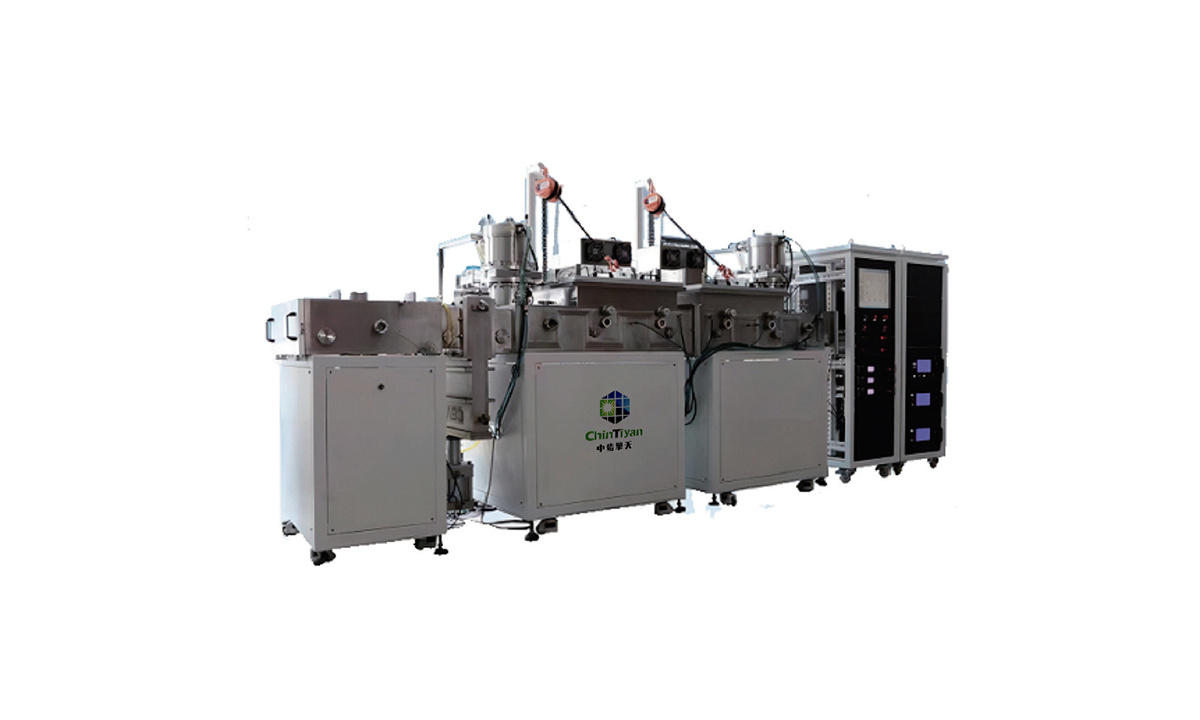
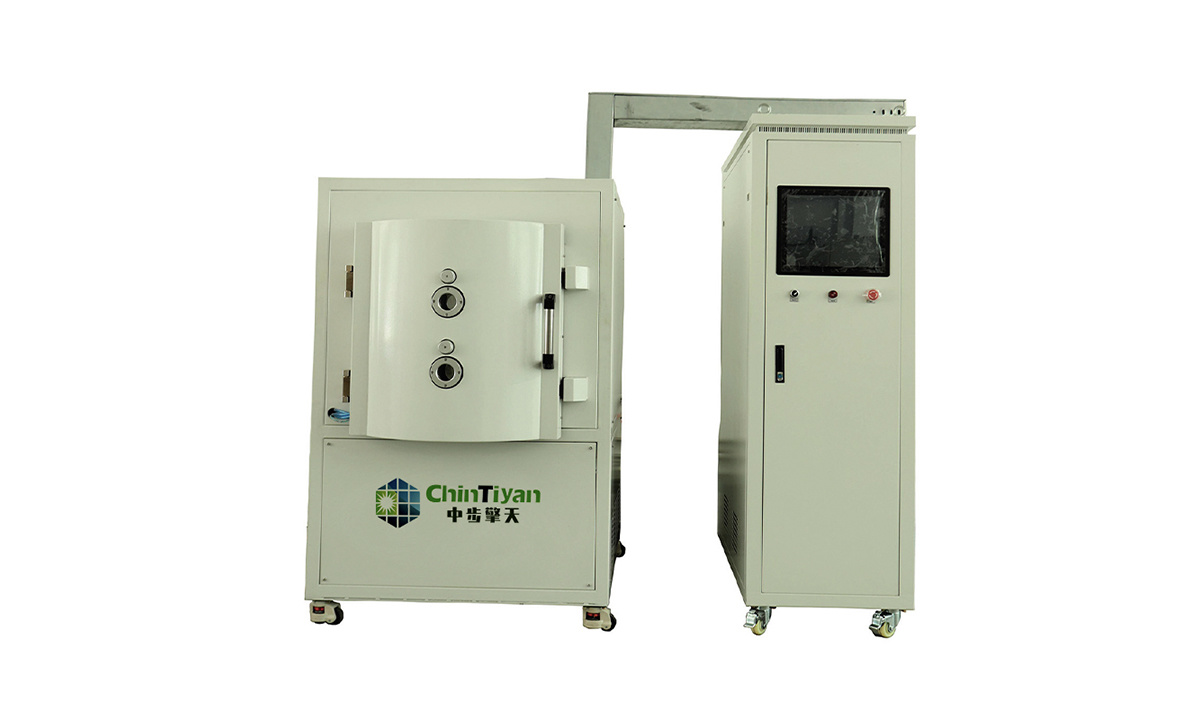
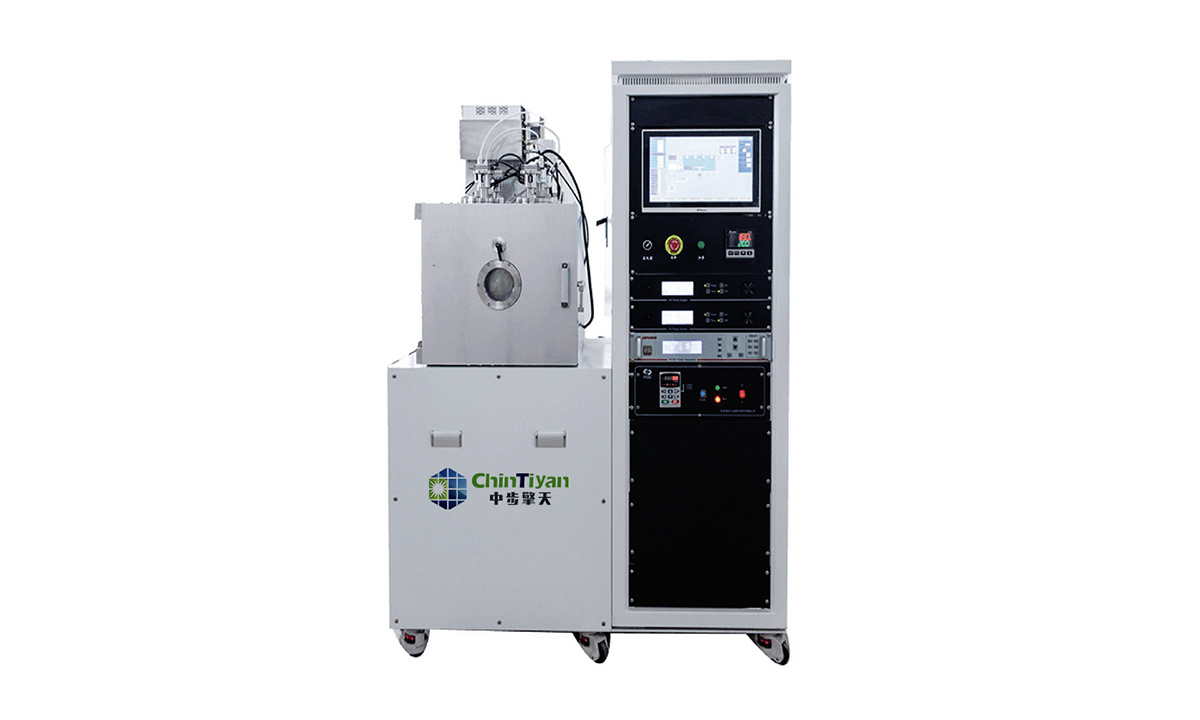
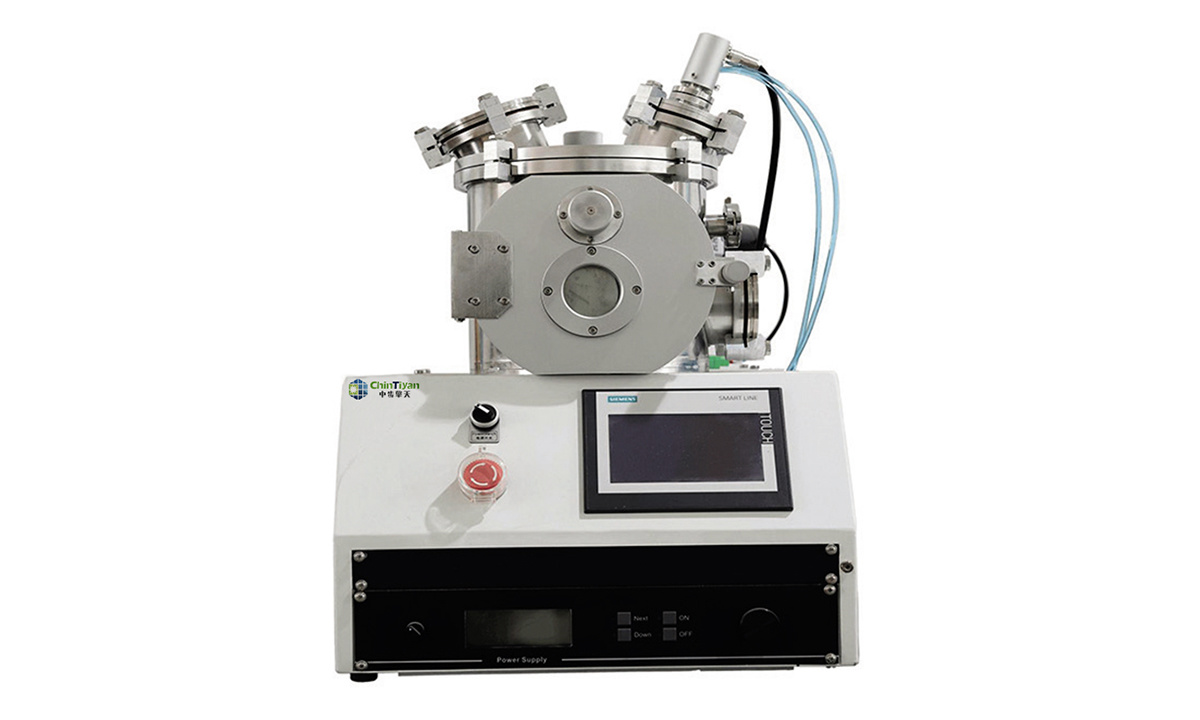
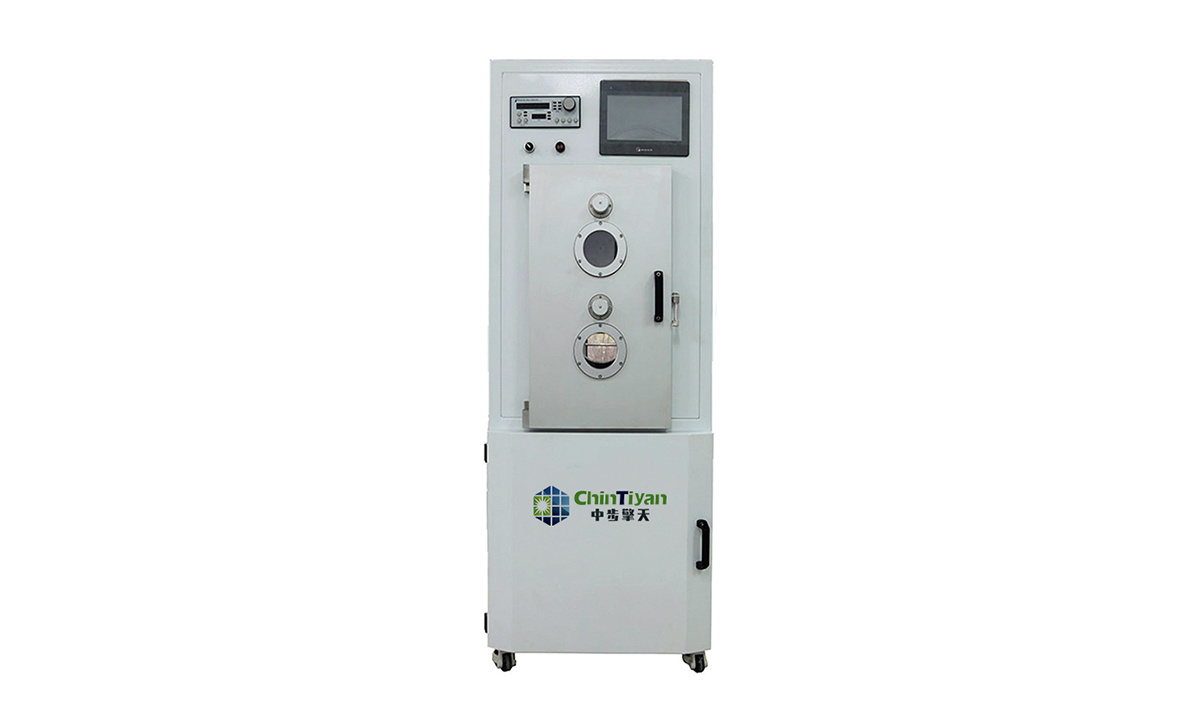
The PD-200 Perovskite Solar Cells Machine is an automatic vacuum evaporation equipment designed for thin film deposition in laboratory research and early-stage solar cell development. It is widely used in universities, research institutes, and industrial R&D laboratories for perovskite solar cells, photovoltaic materials, and new energy device exploration.
Equipped with a precise vacuum control system and stable evaporation process, the PD-200 enables uniform coating and repeatable experimental results. The compact design makes it suitable for material research, process optimization, prototype fabrication, and small-scale trial production, helping researchers accelerate the development of next-generation solar cell technologies.
Parameter
| Chamber Size(304 stainless steel) | Φ260xH350mm (Cylindrical) |
| Ultimate Vacuum | ≤5.0×10⁻⁵ Pa |
| Pumping Speed | From atmosphere to 8×10⁻⁴ Pa≤30 min |
| Substrate Holder | 80 mm × 80 mm |
| Power Supply | 1 × 2 kW metal evaporation power supply |
| Evaporation Sources | 2 pairs (4 rods) of water-cooled evaporation electrodes |
Description


Production Strength


What Production Capacity Can a 300–400MW Solar Panel Production Line Achieve?
A 300–400MW solar panel production line is designed for manufacturers targeting large-scale module production with a high level of automation. The actual annual output depends on factors such as module power, production hours, equipment cycle time, and line utilization. A properly balanced full-automatic line helps maintain stable throughput across stringing, layup, lamination, framing, and testing, making it suitable for continuous high-volume solar panel manufacturing.
What Should Be Considered When Building a 1GW Solar Panel Assembly Line?
A 1GW solar panel assembly line requires careful planning of production capacity, equipment configuration, factory layout, material flow, and process coordination. At this scale, individual machines must be matched to the overall line capacity to avoid bottlenecks between processes such as stringing, layup, lamination, framing, and testing. Production scheduling, automation level, and future expansion should also be considered when designing a 1GW solar module manufacturing facility.
How to Plan a 500–750MW Solar Panel Production Line?
Planning a 500–750MW solar panel production line requires more than simply increasing the number of machines. Manufacturers need to consider production flow, equipment capacity, material handling, factory layout, testing requirements, and coordination between automated processes. A properly planned line helps maintain balanced throughput across each stage and provides the production capacity needed for large-scale solar module manufacturing.
Why Choose a Full-Automatic Solar Panel Production Line for 60–200MW Capacity?
A 300–400MW solar panel production line is designed for high-volume solar module manufacturing where production efficiency and stable operation are key considerations. A high level of automation helps coordinate material handling and core processes, reducing manual intervention between production stages. The line can also be configured around different module technologies and production requirements to support continuous, large-scale manufacturing.
Contact us
Address: 5 Xingfu Road, Miaoshan Development Zone, Jiangxia District, Wuhan City, Hubei Province, China
Scan QR Code by WhatsApp