
Multi-Functional Ion Coating Equipment
Classification:
This equipment is designed for depositing various coatings, particularly hard coatings, anti-corrosion & wear-resistant coatings, and decorative coatings. It is widely used in universities, research institutes, and industrial R&D for device development and small-batch production.
Contact:
Details Introduction
Customized Non-Standard
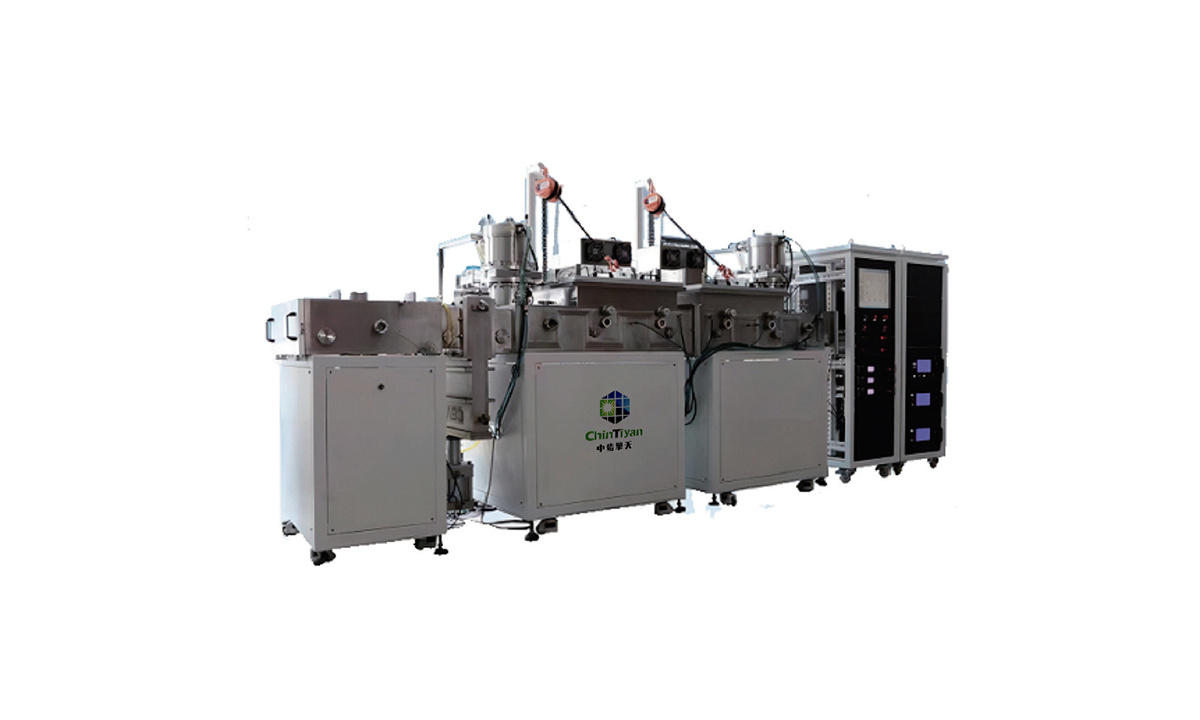
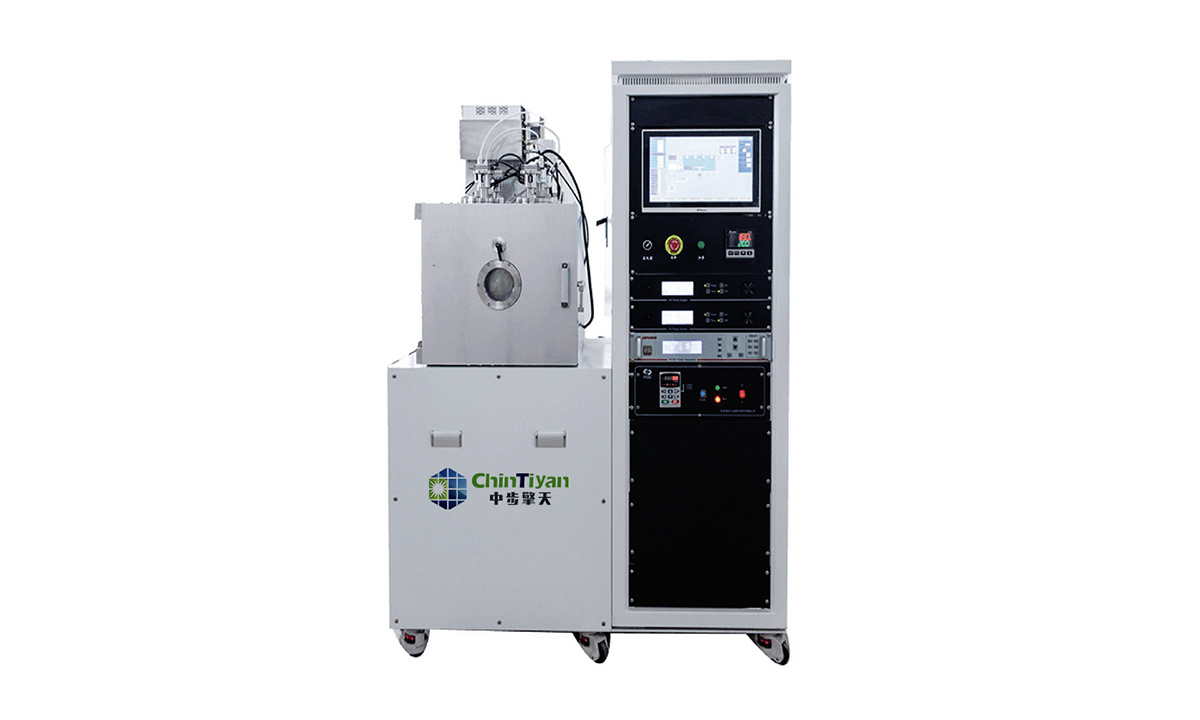
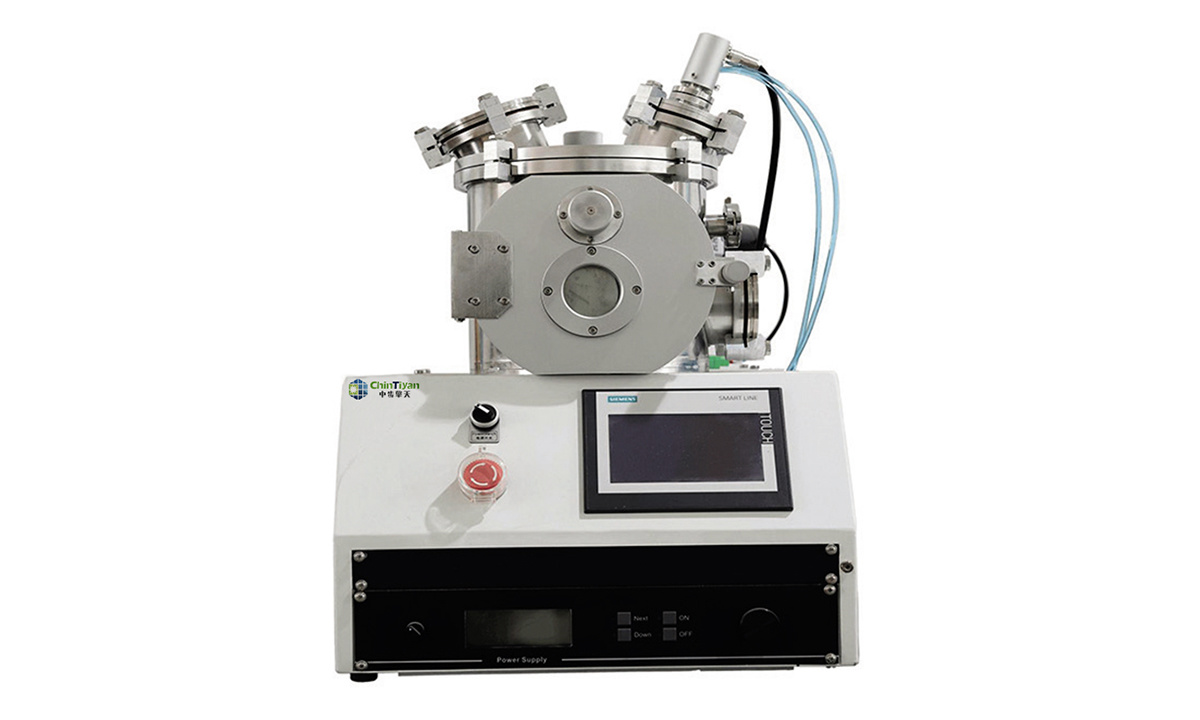
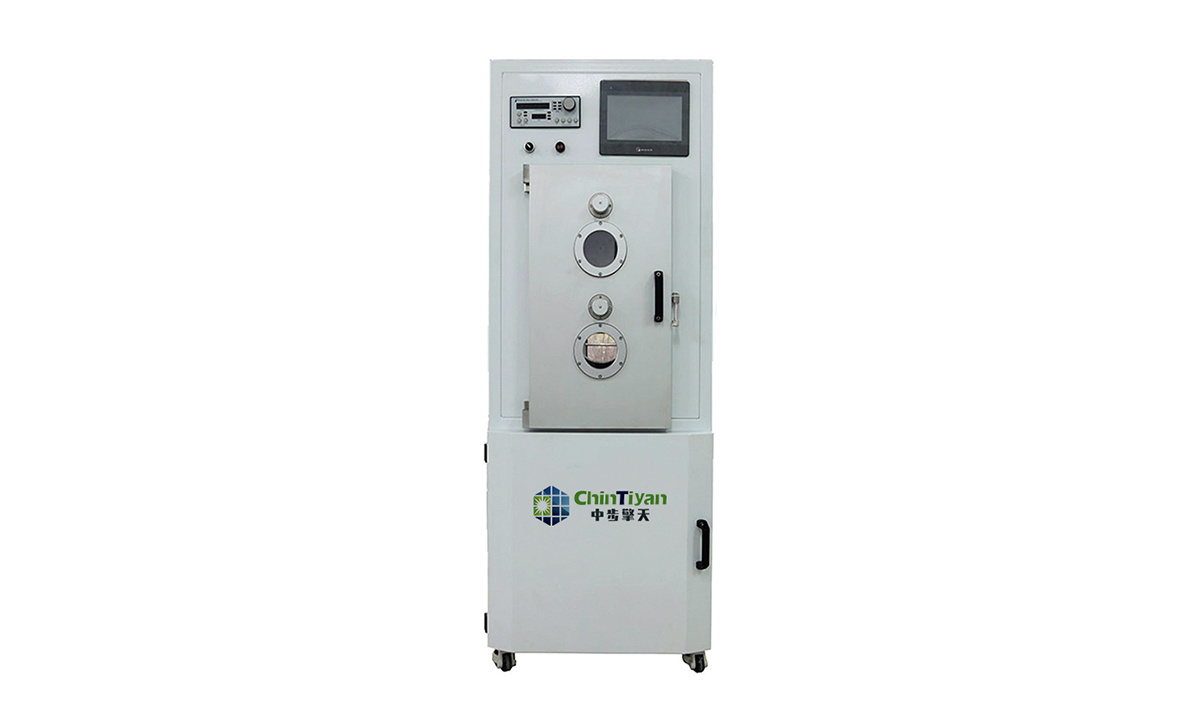
This PD-700 multi-functional lon coating equipment is designed for depositing various coatings, particularly hard coatings, anti-corrosion & wear-resistant coatings, and decorative coatings. It is widely used in universities, research institutes, and industrial R&D for device development and small-batch production.
1.Flexible configurations: Compatible with rectangular magnetron sputtering targets, circular planar targets, cylindrical targets, multi-arc targets, and ion sources.
2.Highly versatile: Features universal interfaces for magnetron sputtering, multi-arc evaporation, and ion sources, enabling custom combinations for a wide range of coating applications.
3.Ideal for R&D labs: Perfect for building a multi-purpose thin-film deposition platform in research and development settings.
Parameter
|
Chamber Dimensions(304 stainless steel) |
Φ650 × H700 mm |
| Ultimate Vacuum | 5.0×10⁻⁵ Pa |
| Heating temperature |
Adjustable from room temperature to 500 ±5°C (PID-controlled) |
| Rotation speed | Adjustable 0–20 RPM |
Description



Production Strength


What Production Capacity Can a 300–400MW Solar Panel Production Line Achieve?
A 300–400MW solar panel production line is designed for manufacturers targeting large-scale module production with a high level of automation. The actual annual output depends on factors such as module power, production hours, equipment cycle time, and line utilization. A properly balanced full-automatic line helps maintain stable throughput across stringing, layup, lamination, framing, and testing, making it suitable for continuous high-volume solar panel manufacturing.
What Should Be Considered When Building a 1GW Solar Panel Assembly Line?
A 1GW solar panel assembly line requires careful planning of production capacity, equipment configuration, factory layout, material flow, and process coordination. At this scale, individual machines must be matched to the overall line capacity to avoid bottlenecks between processes such as stringing, layup, lamination, framing, and testing. Production scheduling, automation level, and future expansion should also be considered when designing a 1GW solar module manufacturing facility.
How to Plan a 500–750MW Solar Panel Production Line?
Planning a 500–750MW solar panel production line requires more than simply increasing the number of machines. Manufacturers need to consider production flow, equipment capacity, material handling, factory layout, testing requirements, and coordination between automated processes. A properly planned line helps maintain balanced throughput across each stage and provides the production capacity needed for large-scale solar module manufacturing.
Why Choose a Full-Automatic Solar Panel Production Line for 60–200MW Capacity?
A 300–400MW solar panel production line is designed for high-volume solar module manufacturing where production efficiency and stable operation are key considerations. A high level of automation helps coordinate material handling and core processes, reducing manual intervention between production stages. The line can also be configured around different module technologies and production requirements to support continuous, large-scale manufacturing.
Contact us
Address: 5 Xingfu Road, Miaoshan Development Zone, Jiangxia District, Wuhan City, Hubei Province, China
Scan QR Code by WhatsApp