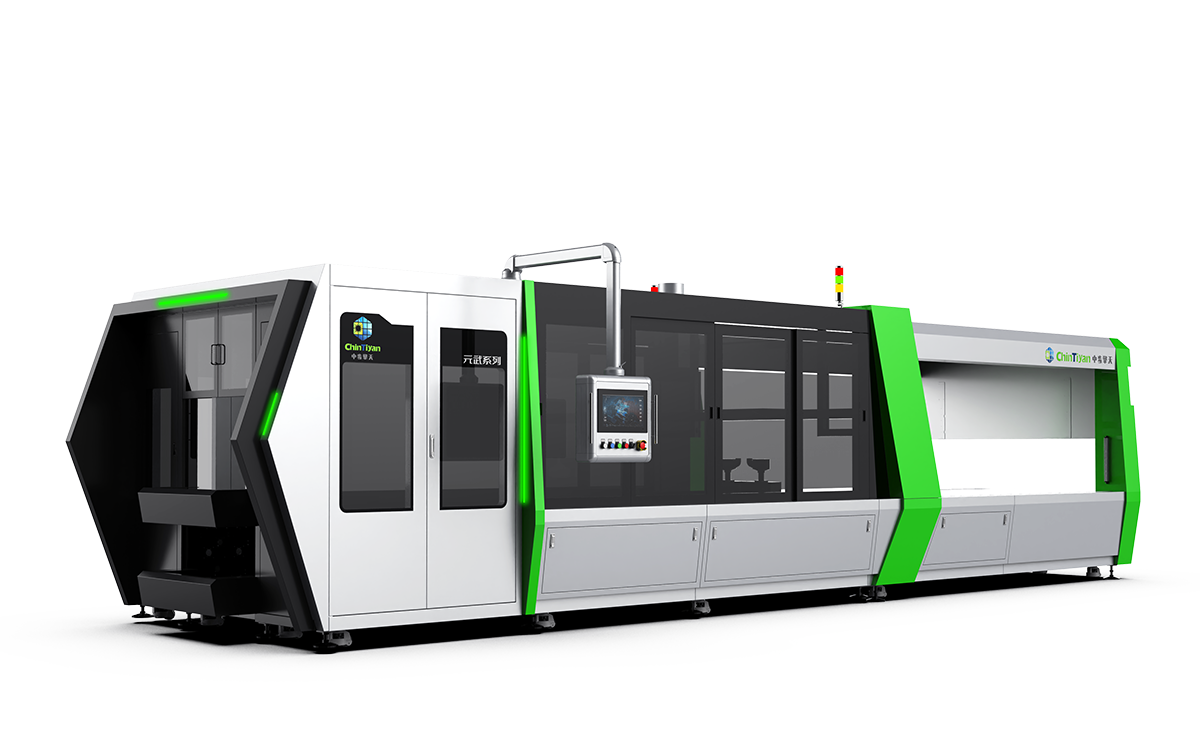
Auto Busbar Welding Machine
This busbar welding machine automatically welds busbars for connecting solar cell strings. Beat ≤18s, overall yield ≥99%, compatible with 5–15 grid wires.
Contact:
Details Introduction
The busbar welding machine is a key equipment in photovoltaic (PV) module manufacturing, designed for precise and stable busbar welding to connect solar cell strings according to predefined layout requirements. It ensures reliable electrical interconnection and supports high-efficiency solar panel production.
This machine adopts automated welding technology to improve consistency, reduce manual intervention, and enhance overall production stability. It is suitable for modern high-speed PV production lines.
Key Features
- Automatic busbar welding for solar cell string interconnection
- Cycle time: ≤18 seconds per cycle
- Overall yield rate: ≥99%
- Compatible with 5–15 busbar / grid wire configurations
- High precision welding for stable electrical performance
- Designed for continuous industrial-scale PV module production
Parameter
| Product name | Auto Bussing string welding machine |
| Application | solar panel manufacturing complete plant machine |
| Beat | ≤ 18S |
| Parameter Beat Crop Rate | ≥ 99% |
| Overall Yield | ≥ 99% |
| Debris Rate | <0.02% |
| Maximum Compatible Module Size | 1650*900-2500*1500mm |
| Compatible Cell Size(mm) | 156-210mm |
| Compatible Grid Wire Count | 5-15 grid |
| Certificate | CE |
Keyword:
Auto Busbar Welding Machine
Related Products




What is the Solar Panel Manufacturing Process?
Cells are loaded by an automatic loader. For half‑cut or third‑cut, cells go through a laser scribing machine for precise splitting. The cells are then fed into a stringer, where ribbons are soldered to form cell strings. After stringing, a bussing machine interconnects the strings, followed by layup, lamination, framing, junction box attachment, and final testing (EL and flash test). The stringer machine and laser scribing machine are the most critical pieces, they determine breakage rate and soldering quality.
How to Calculate Annual Energy Production From Solar Panels?
Simply multiply the total panel power (in kW) by the annual peak sun hours in your location, then apply a system efficiency factor, typically around 80%, to get a rough estimate. But from a manufacturing equipment perspective, what matters just as much is ensuring that processes like stringing and lamination don’t introduce micro‑cracks or poor soldering, because those issues will directly reduce the panel’s actual output.
Is BC technology the Future?
BC (Back Contact) technology is undoubtedly a key direction for next-generation high-efficiency PV modules. Its busbar-free front side offers not only superior aesthetics but also significantly reduces shading, leading to higher light absorption and increased power output. Rather than simply declaring BC as the only future,In fact, BC is a platform technology that can be combined with techniques such as Topcon HJT and perovskite tandem cells to squeeze out the last drop of efficiency gains.
Therefore, we believe BC technology will remain at the forefront of the upcoming technological transformation, making now the opportune moment to invest in BC.
What is Your Collaboration and After-Sales Process?
From project discussion to stable production, we provide complete technical support and long-term after-sales service to ensure a smooth and efficient cooperation experience.
1. Requirement Discussion
We communicate with you in detail to confirm product specifications, production capacity, factory conditions, and technical requirements, then provide a suitable production line solution.
2. Solution Confirmation & Contract
After confirming the technical proposal, both parties finalize the equipment configuration, layout, delivery schedule, and commercial agreement.
3. Equipment Manufacturing
While your factory prepares utilities and workshop conditions, we carry out equipment production, assembly, and internal testing.
4. Factory Acceptance Test (FAT)
Before shipment, customers can inspect and test the production line at our factory to verify equipment performance and operating conditions.
5. Shipment & Installation
The equipment is shipped to your factory, and our engineers provide on-site installation guidance and positioning support.
6. Commissioning & Site Acceptance
After installation, our engineers complete commissioning, parameter adjustment, and final testing to ensure the line operates according to agreed standards.
7. Training & Trial Production
We provide operation and maintenance training for your team and assist with trial production until stable operation is achieved.
8. Long-Term Technical Support
We provide continuous after-sales support, including remote assistance, spare parts supply, troubleshooting, technical upgrades, and maintenance support to ensure long-term stable production.

Contact us
Address: 5 Xingfu Road, Miaoshan Development Zone, Jiangxia District, Wuhan City, Hubei Province, China
Scan QR Code by WhatsApp