Automatic Prismatic Battery Sorting Machine
Classification:
1. Automatic sorting: voltage & internal resistance 2. Equipment Score:10 Grades (90K + 1NG) 3. Suitable for Battery Model:Prismatic Cell 4. capacity: 8–10 PPM
Contact:
Details Introduction
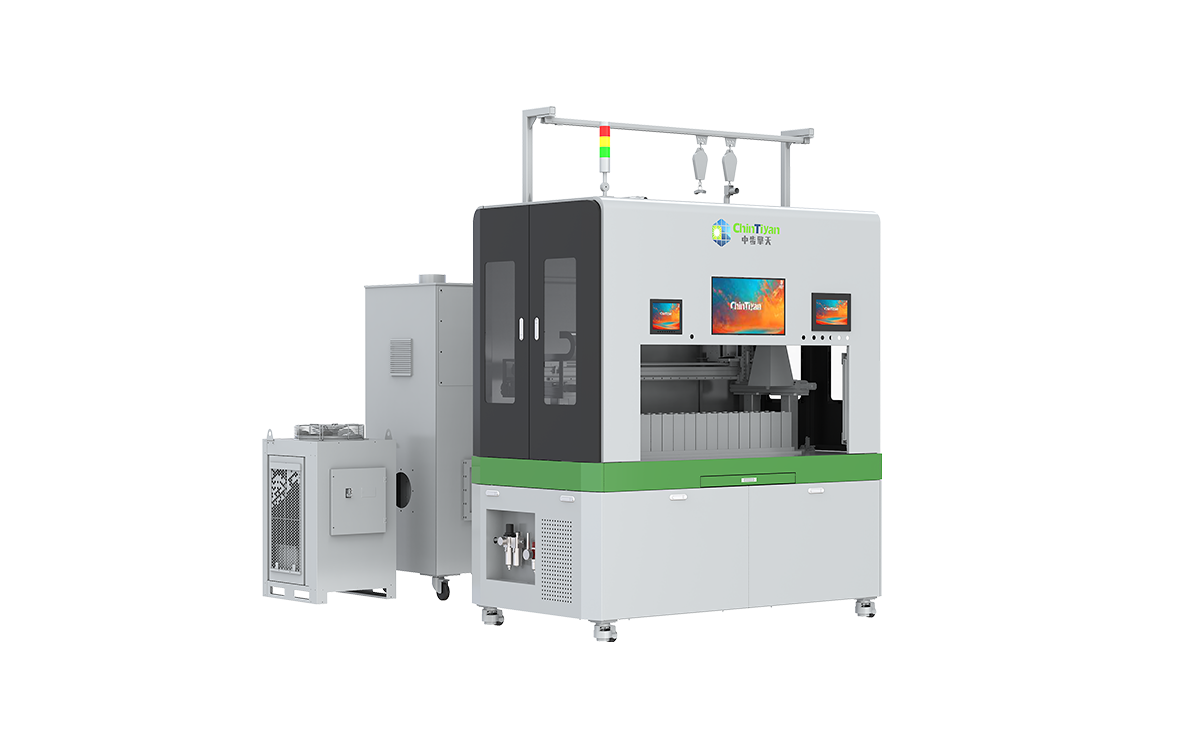
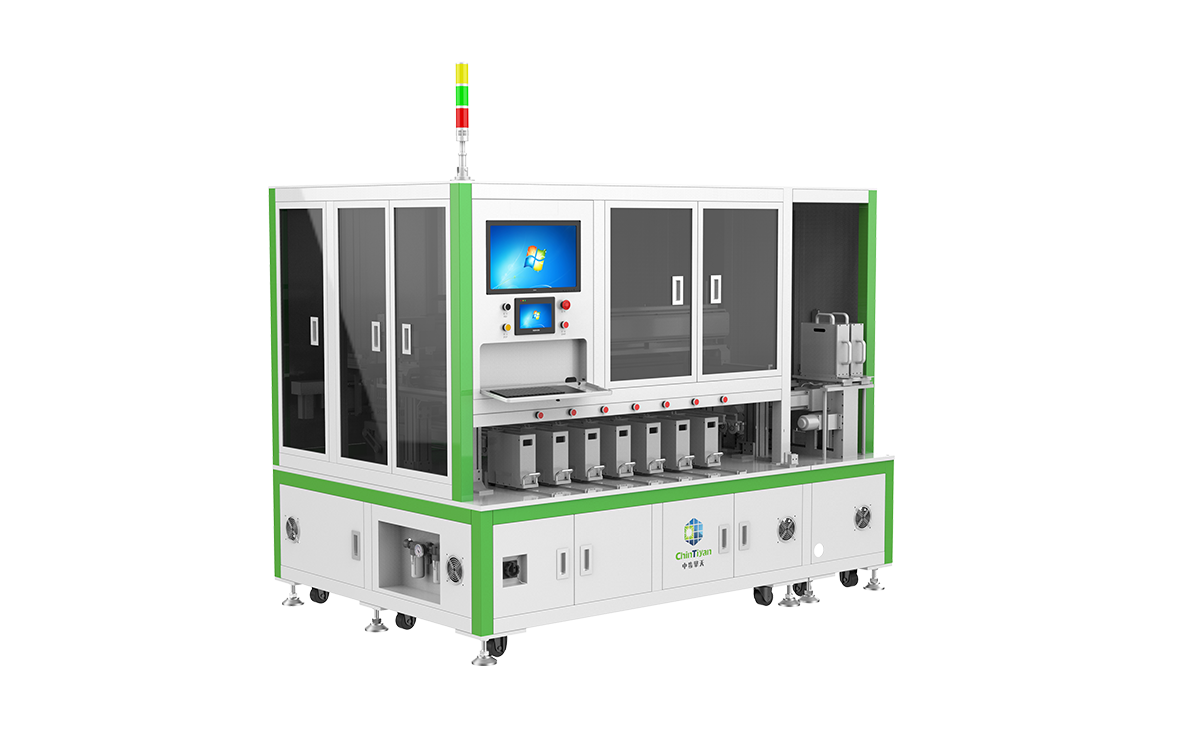
Automatic sorting device designed for prismatic (square-shell) lithium batteries. The equipment consists of a feeding mechanism, testing mechanism, scanning mechanism, transfer mechanism, and cell buffer channels.
1. Software Control: The host computer software sets parameters for each sorting channel.
2. Data Binding: Based on voltage and internal resistance values measured by the tester and QR codes read by a high-speed scanner, the system binds test data with QR codes.
3. Sorting Process: A sorting robotic arm transfers cells to corresponding channels (9 OK channels, 1 NG channel), achieving automatic battery sorting.
Parameter
Equipment parameters | |
Weight | About 500KG |
Equipment Size | L*W*H: 2485mm*1750mm*1871mm |
Power Supply | AC220V 50Hz |
Power | 5KW |
Work Environment Requirements | Temperature: 0°C -50°C, free from pollution and strong electromagnetic interference |
Gas Source Requirements | Factory gas supply: 0.5-1.0 Mpa; Compressed air: 0.5-0.7 Mpa |
Equipment Score | 10 Grades (90K + 1NG) |
Internal Resistance Detection Accuracy | Range: 0-60 mΩ; Accuracy: ±0.5% rdg; Resolution: 0.1 mΩ |
Voltage Measurement Accuracy | Range: 0-60 V; Basic accuracy: ±0.015% rdg; Resolution: 0.1 mV |
Equipment Capacity Speed | 8-10PPM |
Suitable for Battery Model | Prismatic cell dimensions: Length: 60-260 mm/Thickness: 20-60 mm/Height: 100-220 mm |
Keyword:
Automatic Prismatic Battery Sorting Machine
Production Strength



Is BC technology the Future?
BC (Back Contact) technology is undoubtedly a key direction for next-generation high-efficiency PV modules. Its busbar-free front side offers not only superior aesthetics but also significantly reduces shading, leading to higher light absorption and increased power output. Rather than simply declaring BC as the only future,In fact, BC is a platform technology that can be combined with techniques such as Topcon HJT and perovskite tandem cells to squeeze out the last drop of efficiency gains.
Therefore, we believe BC technology will remain at the forefront of the upcoming technological transformation, making now the opportune moment to invest in BC.
Why We Say "NO" to Fast Quotes ?
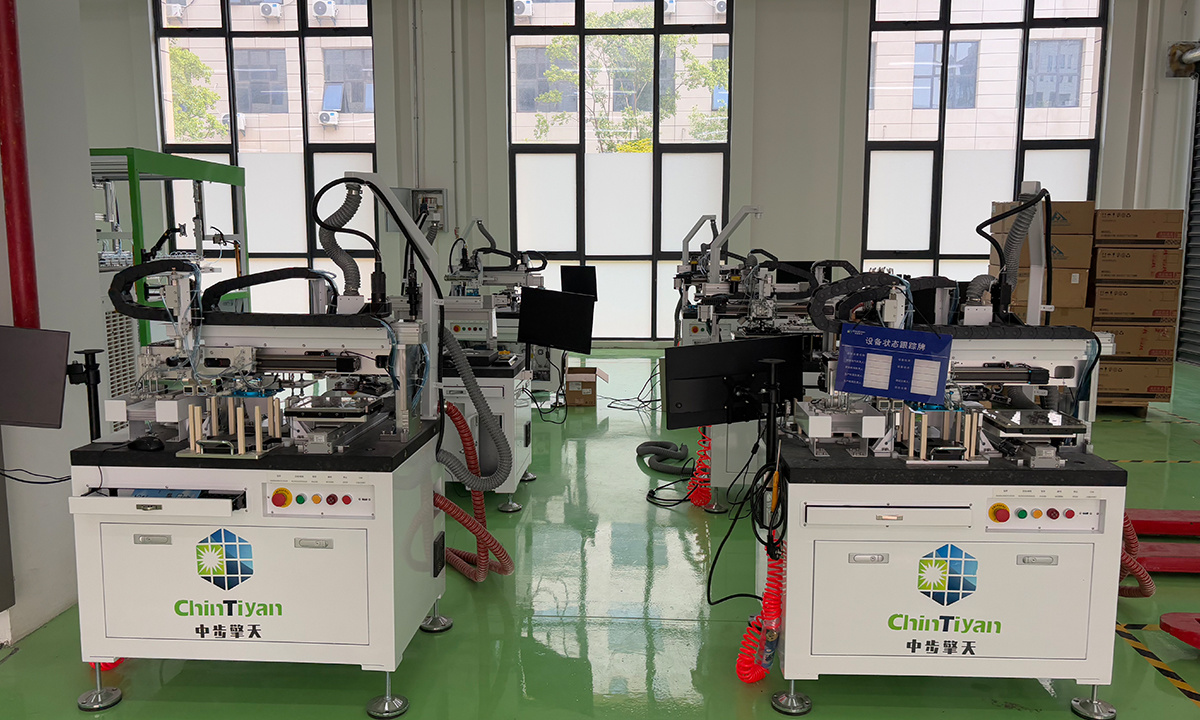
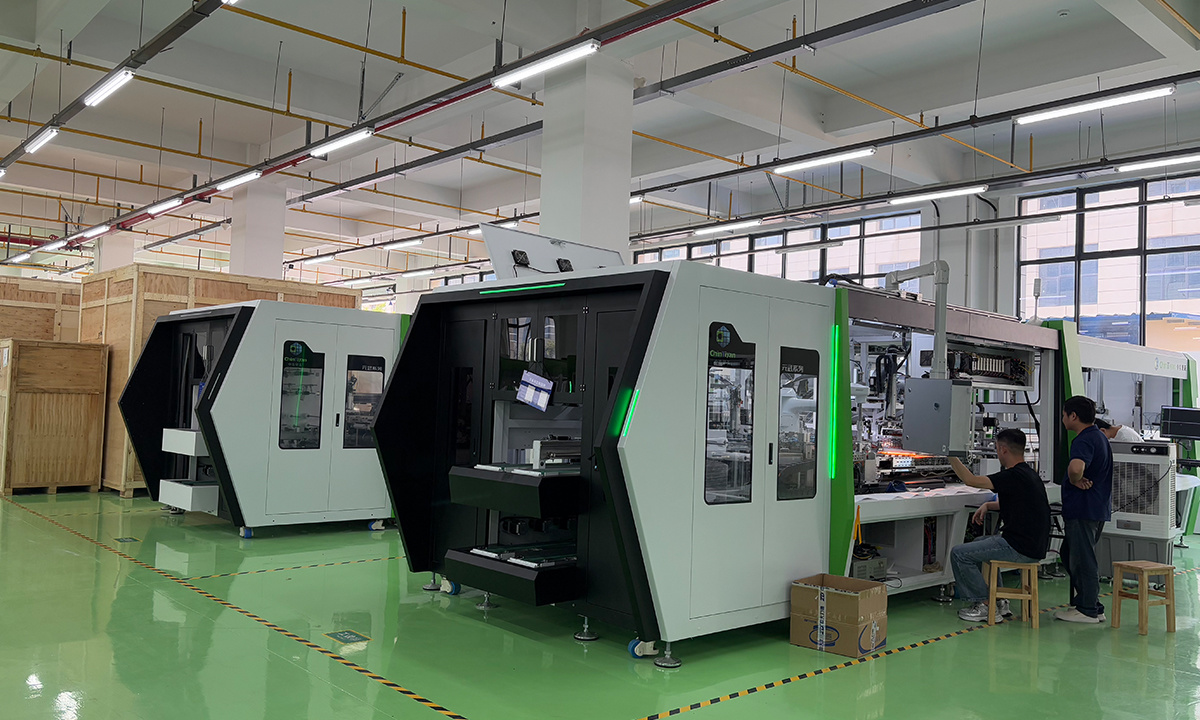
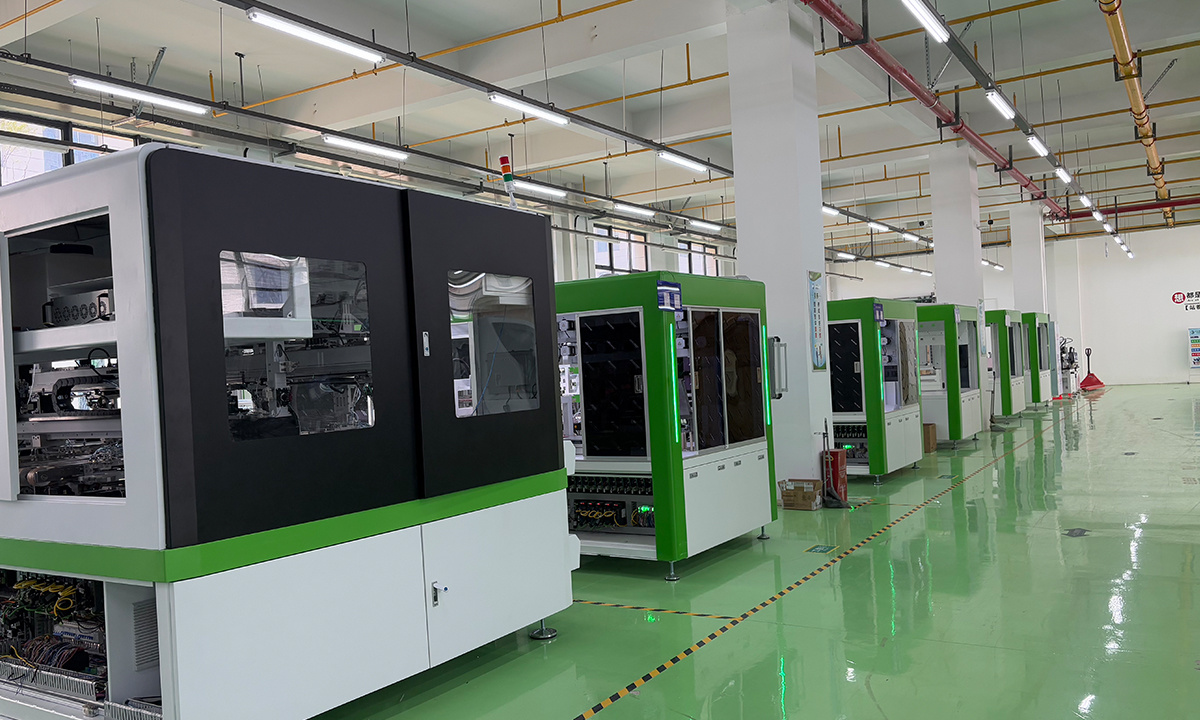
Whilst we offer some of the most competitive pricing in the industry, we firmly believe that a well-designed production line holds far greater value than the mere pursuit of low cost. A single quotation cannot suit all. Only after gathering the necessary information and undertaking a bespoke design tailored to each product's characteristics and process requirements can we provide a quotation truly worthy of discussion.
What Information is Required to Establish a Production Line?
This is straightforward.
Firstly, we need to understand the type of modules you wish to manufacture: conventional or flexible, large-format or small-format, and whether any specialised processes are required. Secondly, we require details of your production line capacity requirements – be it a 50MW manual line or a 2GW fully automated dark factory.
Finally, if you have already constructed a facility for your project, we need to know the dimensions of the building; a CAD file would be most helpful if available. Naturally, should you be unfamiliar with photovoltaic module manufacturing, there is no need for concern. We shall recommend the most suitable production line design based on your market requirements.
What is Our Collaboration Process?
We consider after-sales service the beginning of a long-term partnership, not the end of a transaction. We provide a full-spectrum "service ecosystem" that covers the entire journey from initial discussion to stable mass production.
1.Collaboration and Delivery Process
Requirement Confirmation & Technical Discussion: We start with in-depth communication to clarify product specifications, capacity goals, and technical requirements, providing a preliminary technical solution.
2.Plan Finalization & Contract Signing: Upon reaching a technical consensus, we proceed to draft and sign the commercial contract and technical agreement.
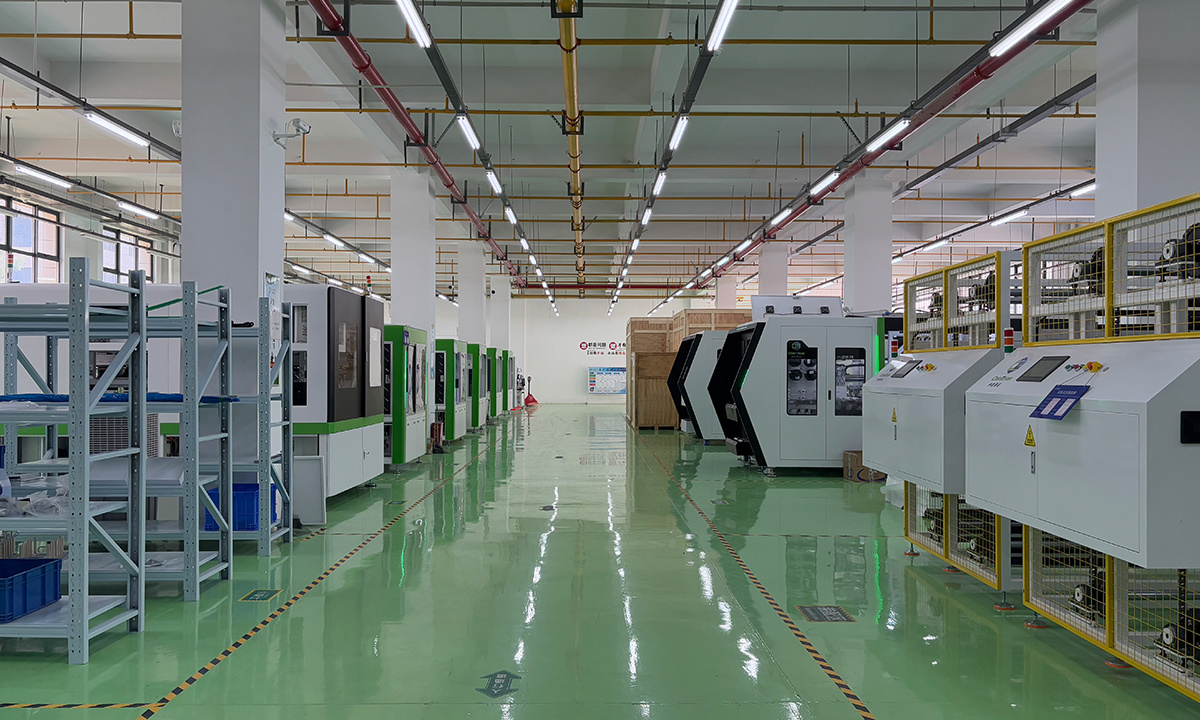
3.Production Line Construction & Equipment Manufacturing: In parallel, you can proceed with plant construction/renovation, utility preparation, and team building. We simultaneously conduct lean manufacturing and assembly of the equipment.
4.Factory Acceptance Test (FAT): After assembly and debugging, we warmly welcome you to our facility for a pre-acceptance test to verify equipment performance firsthand.
5.Maritime Logistics & On-site Installation: Following FAT, equipment is shipped via maritime logistics to your plant. Our engineer team will be on-site to guide installation and positioning.
6.Commissioning & Site Acceptance (SAT): After installation, our engineers perform precise commissioning and complete the final Site Acceptance Test, ensuring the line meets all agreed performance metrics.
7.Training & Guided Production: We provide comprehensive operation and maintenance training, and guide you through small-batch trial production to ensure your team can operate the line independently.
8.Long-term Support & Continuous Improvement: Our comprehensive long-term after-sales service begins after mass production, including remote support, spare parts supply, periodic visits, and technical upgrade services, ensuring your sustained production and future growth.
Related Products


Contact us
Address: 5 Xingfu Road, Miaoshan Development Zone, Jiangxia District, Wuhan City, Hubei Province, China
Scan QR Code by WhatsApp