6 Key Factors for Choosing the Right Solar Cell Stringer Machine
Release time:2026-09-07
When selecting a solar cell stringer machine for a PV module production line, nominal speed is only one part of the decision. Cell technology compatibility, soldering accuracy, breakage rate, string yield, equipment availability, production-line integration and long-term operating cost all affect the actual output of a module factory.
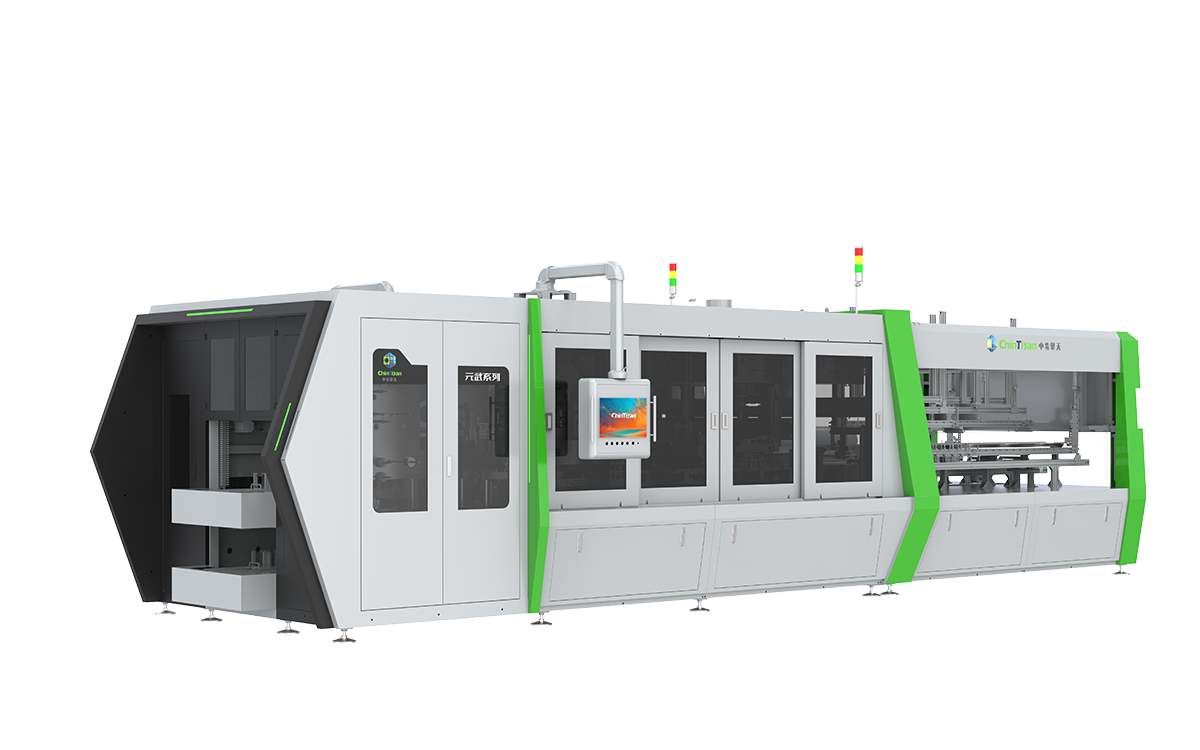
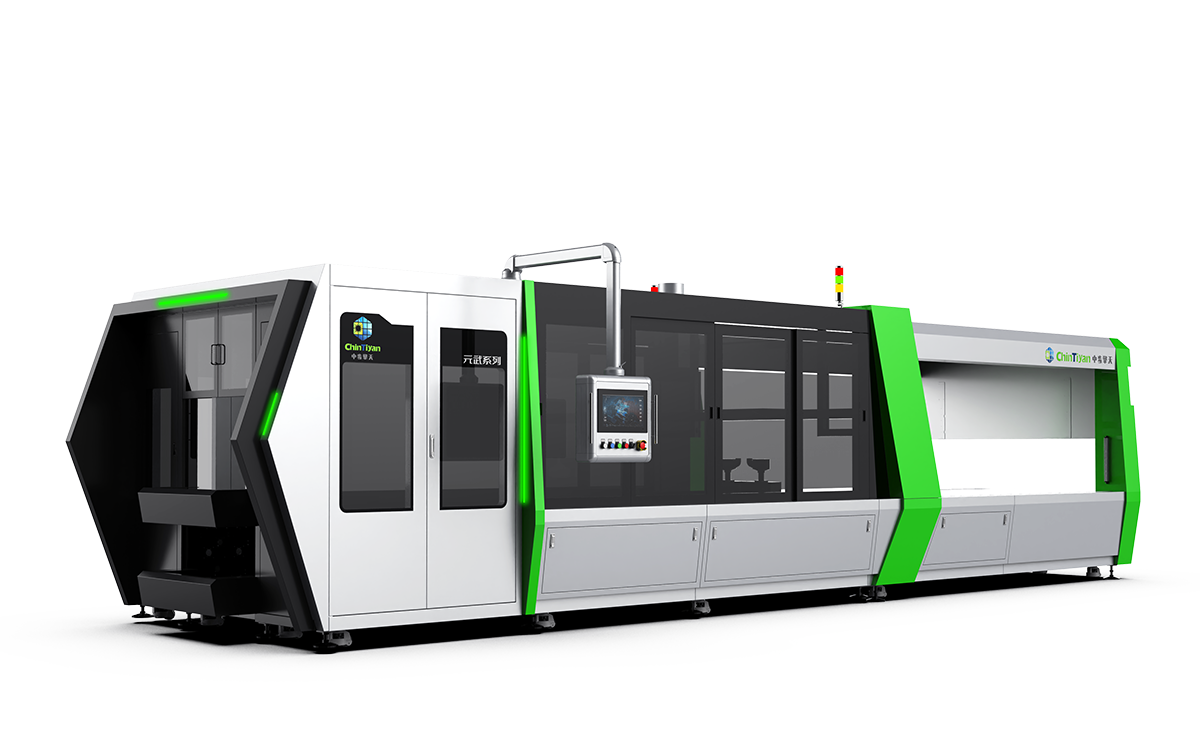
A solar cell stringer machine, also known as a PV stringer machine or solar tabber stringer, performs cell positioning, ribbon feeding and cutting, and cell interconnection to form complete cell strings. Depending on the cell and interconnection technology, the machine may use infrared soldering, low-temperature alloy bonding, adhesive bonding or other interconnection methods.
For module manufacturers planning new capacity or upgrading an existing line, the right stringer should not simply deliver a higher pcs/h figure. It should match the cell technology, production capacity and process roadmap while maintaining stable yield in long-term operation.
What Type of Solar Cell Stringer Machine Do You Need?
The required PV stringer machine depends primarily on the cell technology, interconnection structure and target production capacity.
| Stringer Type | Typical Application | Main Selection Consideration |
|---|---|---|
| Standard MBB Stringer | PERC, TOPCon and conventional module production | Flexibility and cost |
| High-Speed MBB Stringer | High-volume TOPCon production | Throughput and stability |
| SMBB Stringer | Multi-busbar module production | Fine-ribbon handling and accuracy |
| HJT Stringer | HJT modules | Low-temperature interconnection |
| BC Stringer | IBC, HPBC, ABC and other BC cells | Rear-side alignment and cell protection |
| 0BB Stringer | 0BB module production | Low-temperature ribbon, adhesive or film interconnection |
A manufacturer should first define its current cell technology and expected product roadmap, then select the solar cell stringer machine accordingly.
Cell Technology and Solar Cell Stringer Compatibility
The first evaluation priority is compatibility with the cell technology and process roadmap. Today's PV module lines may run PERC, TOPCon, HJT, BC-series and 0BB technologies, while wafer and cell formats can include 166–210 mm full cells, half-cells, 1/3-cut, 1/4-cut and even 1/6-cut formats. Interconnection materials can range from conventional flat ribbon to ultra-fine flat ribbon and SMBB round or ultra-flexible wire, typically around 0.20–0.26 mm in diameter.
A solar cell stringer machine should therefore be evaluated based on its actual process compatibility rather than nominal machine specifications alone.
- Conventional flat-ribbon stringers are suitable for legacy PERC modules, while high-speed SMBB stringers target multi-busbar mass production.
- TOPCon production requires stable cell handling and soldering performance while maintaining low breakage and high string yield.
- HJT production places greater emphasis on low-temperature interconnection and thermal control.
- BC cells place both electrodes on the rear side and cannot be processed by conventional stringers designed for front-contact cells. A dedicated BC stringer machine is required to control warpage, blue-film scratches, ribbon exposure and cold-solder risks.
- 0BB is an evolving interconnection technology that can use low-temperature ribbon with alloy, adhesive, film or other bonding approaches. Manufacturers should verify native compatibility with their selected 0BB process and available upgrade interfaces.
Selection tip: Prioritize a stringer platform that supports your current cell recipes while providing sufficient hardware and software flexibility for future MBB, TOPCon, HJT, BC or 0BB upgrades.

Stringer Machine Speed and PV Production Line Capacity
Machine speed is one of the most visible specifications when comparing solar cell stringer machines, but nominal peak speed should not be treated as the actual production capacity. Commercial models vary significantly. Fine-ribbon stringers may operate at approximately 2,400–3,000 pcs/h, while high-speed SMBB and dedicated BC stringers can reach approximately 7,200 pcs/h under suitable production conditions. Stable mass-production capacity should always be evaluated separately from theoretical maximum speed.
For example, consider a 1 GW TOPCon module line using 590 W modules with a 144 half-cell layout, 22 production hours per day, 330 production days per year and 90% effective utilization.
| Item | Value / Note |
|---|---|
| Hourly throughput | 7,200 half-cells/hour |
| Half-cells per module | 144 |
| Module output | 7,200 ÷ 144 = 50 modules/hour |
| Effective annual output | 50 × 90% × 22 × 330 × 590 W ≈ 193.6 MW/year |
| Six stringers in parallel | ≈ 1.16 GW/year |
Under these assumptions, six 7,200 pcs/h stringers provide approximately 1.16 GW of annual theoretical capacity, leaving some capacity above a 1 GW target. However, actual line planning should also consider equipment downtime, recipe changeover, maintenance, material availability, upstream and downstream equipment capacity and production fluctuations.
The key point: When comparing stringer machines, evaluate effective output and OEE rather than comparing pcs/h alone.
Solar Cell Stringer Accuracy, Breakage Rate and String Yield
Yield performance directly affects manufacturing cost and should be included in the equipment acceptance criteria. Important indicators include cell breakage, micro-crack risk, string defect rate, cell positioning accuracy, ribbon placement accuracy and weld strength.
Under Grade-A wafer conditions, manufacturers can use applicable industry standards and their own production requirements to define acceptance targets. Typical evaluation indicators include:
| Indicator | Reference / Evaluation Point |
|---|---|
| Breakage rate | ≤ 0.1%–0.2% target range depending on cell and process conditions |
| String defect rate | Typically evaluated against project-specific acceptance criteria, including cold solder, detachment, ribbon exposure and misalignment |
| Cell positioning accuracy | Around ±0.08 mm for demanding applications |
| Ribbon placement accuracy | Around ±0.1 mm |
| High-speed ribbon offset | ≤ ±0.12 mm in demanding applications |
| Weld pull strength | Evaluate against applicable standards and customer specifications |
For BC cells, equipment design becomes even more important because the rear-side electrode structure and thinner wafers can increase sensitivity to mechanical stress and positioning errors. BC-dedicated equipment may integrate flexible ribbon handling, string cooling and warpage-suppression systems. CCD vision can be used for cell identification and precise electrode or busbar registration. In-line EL inspection, including AI-assisted defect classification, can further identify micro-cracks and interconnection defects before defective strings reach downstream processes. When evaluating a solar cell stringer machine, ask the supplier to provide actual mass-production yield data rather than relying only on laboratory or peak-performance figures.
Availability, Reliability and OEE
A high-speed PV stringer machine is only valuable when it can maintain stable output during long-term production. Mature equipment can achieve availability of 95% or higher, while premium equipment designed for demanding BC applications may target 98% or above. However, the definition of availability should be clarified during equipment evaluation because supplier specifications may use different calculation methods.
Key areas to evaluate include:
- PLC and motion-control architecture
- Servo motors and linear motors
- Industrial CCD vision systems
- Infrared lamp and temperature-control systems
- Ribbon feeding and cutting stability
- Vacuum and pneumatic systems
- Preventive maintenance requirements
- MTBF and MTTR
- Recipe changeover time
- Remote diagnostics and fault monitoring
Thermal uniformity is particularly important for soldering-based processes. For demanding applications, manufacturers should verify the supplier's specified temperature-control accuracy and actual process validation data rather than relying on a generic machine specification.
A modular machine architecture is also advantageous. Separating loading, vision handling, soldering, ribbon feeding and post-process inspection modules can simplify maintenance and future integration with cutter-stringer systems, automatic magazine or AGV loading, solder-paste printing and in-line inspection.

Recipe Flexibility, Customization and Production-Line Integration
PV module manufacturers increasingly require a solar cell stringer machine to handle multiple cell formats and product recipes on the same production platform. Before purchasing equipment, evaluate the following capabilities.
Cell Cutting and Interconnection Recipes
The machine should support the required cell formats, such as:
- Half-cell
- 1/3-cut
- 1/4-cut
- 1/6-cut
Cell-to-Cell Gap
Different module designs may require different string configurations, including negative gaps of approximately −0.5 to −1 mm or positive gaps of approximately 1–5 mm. Large string spacing, such as 10–40 mm, may require additional fixture and programming modifications.
Recipe Changeover
Changeover time should be included in the evaluation, especially for factories producing multiple module types.
Ask suppliers to provide actual changeover times for:
- Different cell sizes
- Different busbar configurations
- Different ribbon types
- Different cutting formats
- Different module recipes
Production-Line Integration
A modern stringer can also be evaluated for integration with:
- Cutter-stringer all-in-one systems
- Automatic magazine loading
- AGV material handling
- In-line EL inspection
- AI defect detection
- MES and production-data interfaces
BC-Specific Requirements
For BC production, additional considerations may include blue-film protection, paper pick-and-place mechanisms and adaptation to different HPBC, IBC or ABC cell designs from different suppliers. Selection tip: Custom functions should be evaluated during the engineering stage because special fixtures, software development and process validation can increase both lead time and project cost.

Lead Time, After-Sales Support and Total Cost of Ownership
The purchase price of a solar cell stringer machine does not represent its total investment cost. For a production-line project, evaluate the complete Total Cost of Ownership (TCO).
Lead Time
Standard configurations and heavily customized stringer machines can have significantly different delivery schedules. Confirm the manufacturing, FAT, shipment, installation and commissioning schedule before placing an order.
After-Sales Support
For advanced TOPCon, HJT, BC and 0BB applications, the supplier's process-engineering capability can be as important as the hardware itself.
Evaluate:
- Local spare-parts availability
- On-site installation and commissioning
- Operator training
- Remote diagnostics
- Software and process updates
- Troubleshooting response time
- Long-term technical support
Consumables and Maintenance
Consider the expected cost and replacement frequency of:
- Infrared halogen lamps
- Vacuum nozzles
- Fixtures
- Cameras and optical components
- Cutting components
- Other wearing parts
Upgrade Potential
The machine should have sufficient hardware and software flexibility to accommodate future cell technologies, new ribbon structures and changing interconnection processes. A machine with a lower initial purchase price may have a higher long-term cost if frequent retrofitting, downtime or replacement is required.
Rated Products


Solar Cell Stringer Trends in 2026
The development of PV cell technology is pushing solar cell stringer machines beyond conventional soldering equipment. TOPCon continues to drive demand for high-throughput and stable MBB/SMBB stringing, while HJT requires precise low-temperature interconnection. At the same time, BC technologies are increasing the need for specialized rear-side cell handling and positioning, and 0BB is driving new approaches to ribbon bonding and interconnection.
As a result, the next generation of stringer machines is increasingly focused on:
- Higher throughput with stable yield
- Lower cell breakage and micro-crack risk
- More flexible recipe management
- Precise vision-based positioning
- Automated defect detection
- Integration with MES and factory automation
- Upgradeability for new cell and interconnection technologies
The best stringer is therefore not necessarily the machine with the highest nominal pcs/h. It is the machine that provides the right combination of throughput, yield, availability, compatibility and upgrade potential for the manufacturer's production roadmap.
Frequently Asked Questions About Solar Cell Stringer Machines
What is a solar cell stringer machine?
A solar cell stringer machine is PV module manufacturing equipment that connects individual solar cells into cell strings through ribbon feeding, positioning and interconnection processes. It is a key piece of equipment in a solar module production line.
What is the difference between a tabber stringer and a solar cell stringer?
The terms are often used interchangeably in the PV equipment industry. A tabber stringer generally refers to equipment that feeds and bonds tabbing ribbon to solar cells while connecting multiple cells into strings. Different suppliers may use ''tabber stringer '' ''solar stringer '' or ''PV stringer machine '' for similar equipment.
How fast can a solar cell stringer machine operate?
Stringer speed depends on the cell technology, cutting format, ribbon configuration and machine design. Commercial equipment can range from approximately 2,400 pcs/h to 7,200 pcs/h or higher for specialized high-speed applications.
What stringer machine is suitable for TOPCon cells?
TOPCon module production generally requires a stringer capable of handling the selected cell size, busbar configuration and interconnection process while maintaining low breakage, accurate ribbon placement and stable soldering performance. High-speed MBB and SMBB stringers are commonly used for high-volume TOPCon production.
Can one stringer machine process different cell sizes?
Some flexible stringer platforms can support multiple cell sizes and cutting formats. The actual range depends on the machine's mechanical design, tooling, vision system and software recipes. Confirm the supported formats and changeover time with the equipment supplier before purchase.
What is a good breakage rate for a stringer machine?
The acceptable breakage rate depends on wafer type, cell thickness, technology and production conditions. For demanding high-volume production, buyers should request actual mass-production data and define the breakage-rate target as part of the formal equipment acceptance criteria.
How many stringers are needed for a 1 GW PV module production line?
The number depends on module power, cell configuration, stringer speed, equipment utilization and production schedule. For example, under the assumptions used in this article, six 7,200 pcs/h stringers provide approximately 1.16 GW of annual capacity. Actual line design should include capacity redundancy and the constraints of upstream and downstream equipment.
Conclusion
Selecting a solar cell stringer machine should be based on more than nominal production speed. Cell technology compatibility, throughput, breakage rate, string yield, availability, recipe flexibility, integration capability, after-sales support and total cost of ownership all influence the long-term performance of a PV module production line.
For manufacturers planning TOPCon, HJT, BC or 0BB production, the right approach is to evaluate the stringer against the complete production roadmap rather than a single machine specification.
A well-selected PV stringer machine should provide stable production today while retaining enough flexibility to support tomorrow's cell and interconnection technologies.
References
[1] T/ZZB 3711-2024, Automated Stringer for Crystalline Silicon Solar Cell, Zhejiang Quality Association.
[2] T/CASME 436-2023, Group Standard for 9BB–20BB Automatic Solar-Cell Stringer Machines.
[3] PV Stringer Machine Industry Market Research Report 2026.
[4] Soochow Securities, PV Stringer Machine Market Research: 0BB Retrofit and New Demand Analysis.
Relevant standards and organizations:
- National Group Standards Information Platform
- State Administration for Market Regulation Open Standards System
- International Electrotechnical Commission (IEC)
Previous Page
Previous Page

Contact us
Address: 5 Xingfu Road, Miaoshan Development Zone, Jiangxia District, Wuhan City, Hubei Province, China
Scan QR Code by WhatsApp