
390-400W MONO-FLEXIBLE MODULE
By optimizing the composite material design, the 390-400W mono-flexible module achieves a 60% weight reduction compared to conventional products while maintaining the same power output.
Contact:
Details Introduction
Lightweight
Optimized composite materials, 60% lighter at the same power.
Resin-fiber Strength lmprovement
The 390-400W MONO flexible pv module is as high as 1300MPa, improving theoverall strength of the module and solving the hidden crackproblem of the cell.
Self-developed Polymer Materials
Light transmittance ≥91%, far more than conventionalsolar panels, photoelectricity converslon without a barrler.Ultra-high UV blocking ability ensures power generation efficiencyfor 25 years.
Easy to lnstall
Factory-integrated for easy transportation and handling,Eliminating traditional bracket systems and saving installationcosts and time.
V0 Rated flame retardant materials
Use V0 Rated fame retardant materials to improvecomponent fire performance.
Parameter
| Cell Type | P type Mono-crystalline 182*91mm |
| No.of cells | 108(12x9) |
| Dimensions | 2246*927*2.5mm |
| Weight | 6.2 Kg |
| Junction Box | IP68 Rated |
| Output Cables | 4.0 mm2 |
| Cable Length | 400 mm or Customized Length |
Keyword:
390-400W MONO-FLEXIBLE MODULE
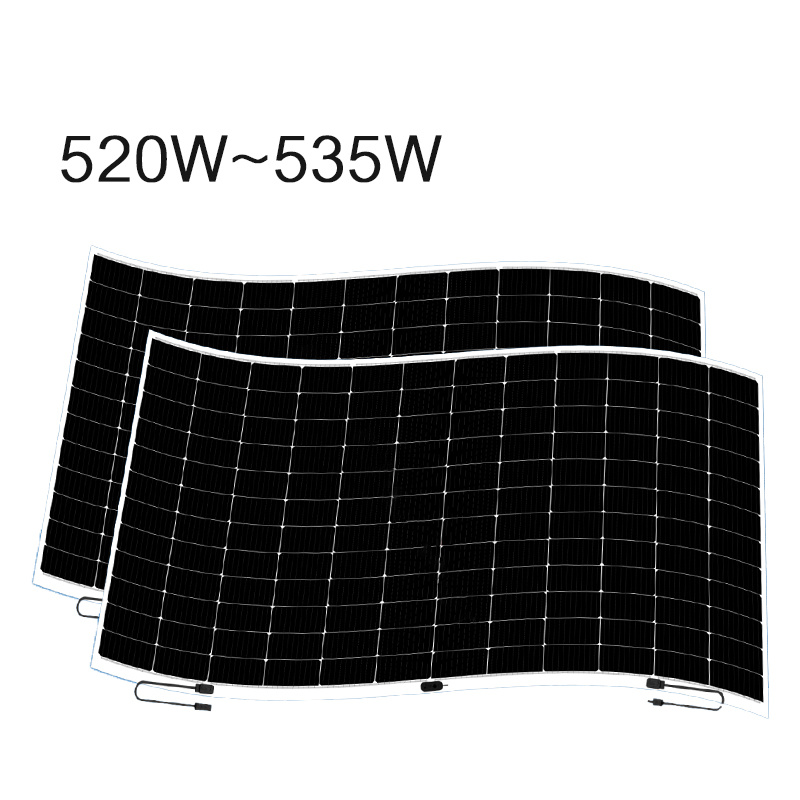
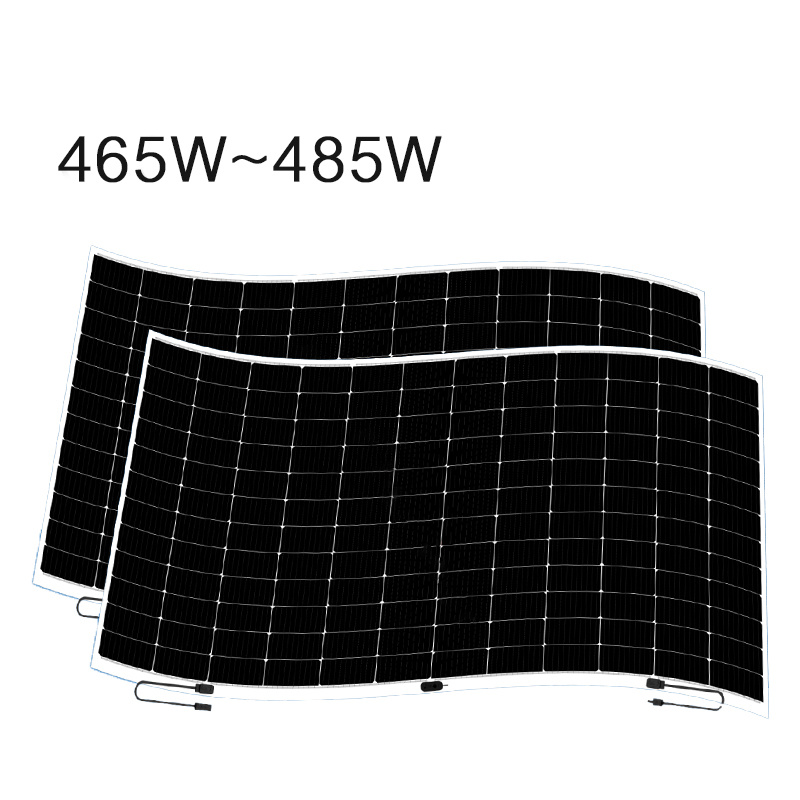
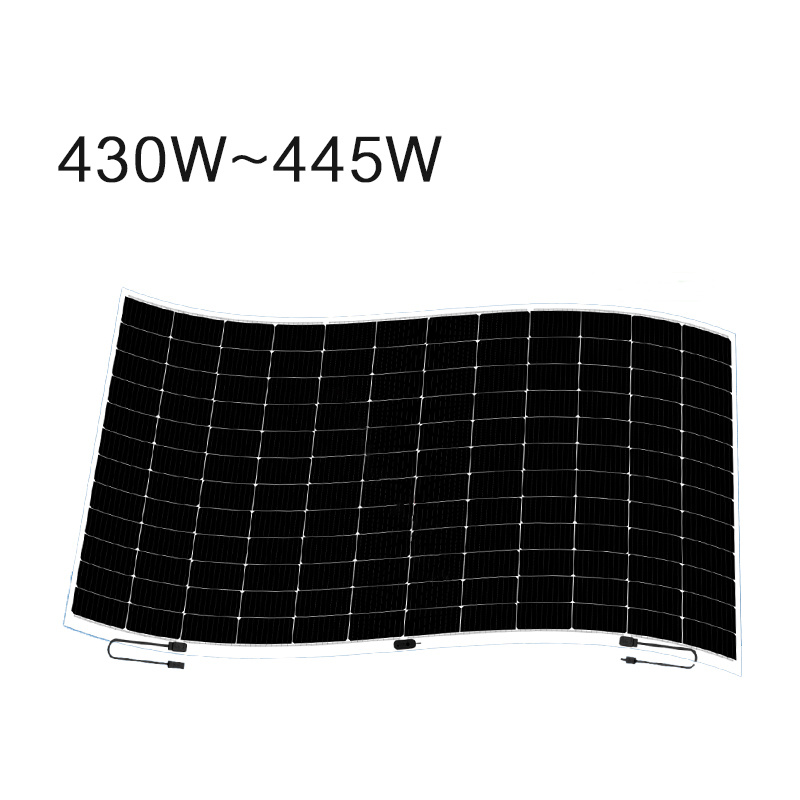


Are Lightweight Solar Modules as Durable as Traditional Solar Panels?
Yes. High-quality lightweight modules use advanced composite materials and weather-resistant encapsulation to provide excellent mechanical strength, UV resistance, and long-term power generation performance in various outdoor environments.
Where Can Lightweight Solar Modules Be Installed?
Lightweight solar modules are widely used on commercial and industrial rooftops, metal roofs, curved roofs, warehouses, agricultural buildings, carports, and other structures with limited load-bearing capacity or complex installation requirements.
What Are the Advantages of Lightweight Solar Modules Compared to Conventional Solar Panels?
Lightweight solar modules are significantly lighter than traditional glass panels while maintaining high power output. They reduce roof load, simplify transportation and installation, and are ideal for projects where structural weight is a concern.

Contact us
Address: 5 Xingfu Road, Miaoshan Development Zone, Jiangxia District, Wuhan City, Hubei Province, China
Scan QR Code by WhatsApp